
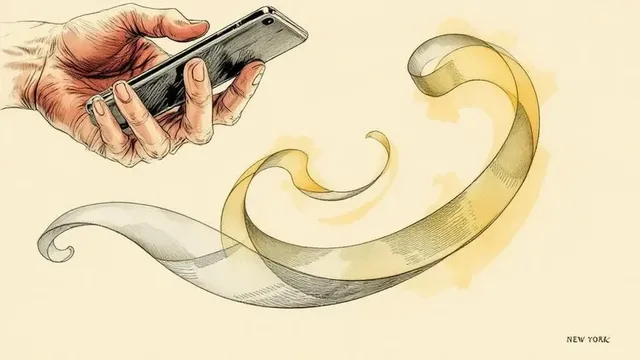
You've been on your phone for ninety minutes. You know this because you saw the screen time notification, ignored it, and kept going. The posts aren't even good anymore. You're past the funny stuff, past the friends-you-actually-like stuff, deep into the territory of strangers' kitchen renovations and a video about a man who collects vintage staplers.
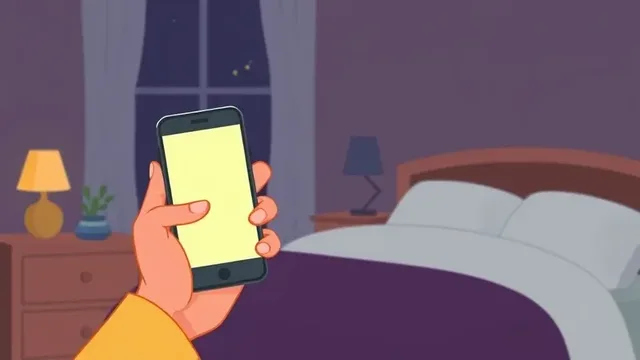
You're not enjoying this. You know you're not enjoying this. You're aware, in some quiet corner of your skull, that you could be sleeping, reading, or staring at a wall — and the wall might actually be more interesting. And yet, your thumb keeps moving. Swipe. Swipe. Swipe. Like it's running on its own operating system. You put the phone down. You pick it up forty seconds later. You didn't decide to. It just happened, the way breathing happens.
Why can't you stop? You're bored. The content is bad. Logic says quit. Thumb says no.
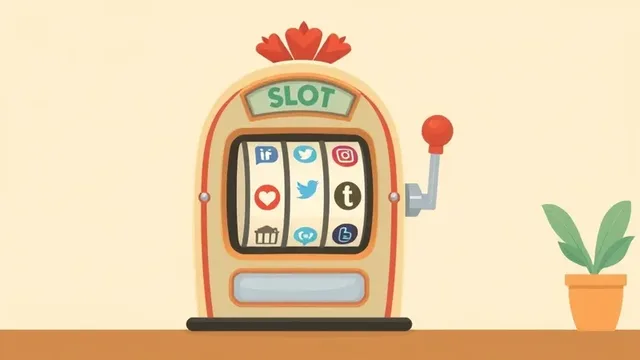
Here's the uncomfortable truth: your brain is running a tiny casino, and you are both the gambler and the house — and the house is losing.
There's a concept in psychology called the variable reward schedule. It's the same trick that makes slot machines so devastatingly effective. If a slot machine paid out every tenth pull, predictably, you'd get bored fast. If it never paid out, you'd quit. But if it pays out randomly — sometimes after two pulls, sometimes after fifty, sometimes after two hundred — your brain becomes obsessed. Not with winning. With the possibility of winning. The unpredictability is the drug.
Your feed is a slot machine. Most posts are nothing — a stapler collector, an ad, someone's cousin's brunch. But every now and then? A genuinely funny meme. A piece of news that matters. A photo of someone you used to date. The jackpot. And because you can't predict when it's coming, your brain refuses to stop pulling the lever. Boredom isn't a stop sign for your thumb. It's actually fuel. You scroll harder because nothing good is happening — surely the next swipe will be the one. It's not a bug. It's the design.
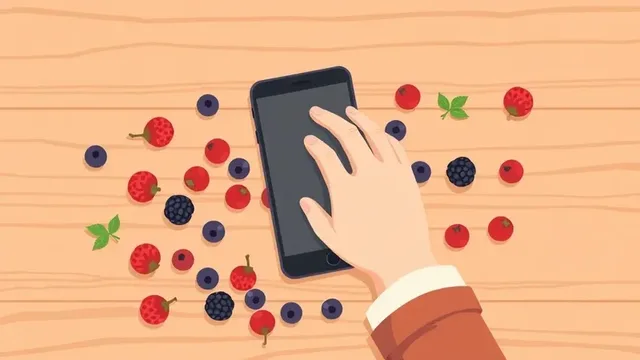
So no, you don't lack willpower. You're just sitting in front of a machine engineered by very smart people to exploit a 200,000-year-old reward system that evolved to keep you foraging for berries. The berries used to be real. Now they're a 14-second clip of a guy frosting a cake. Same dopamine, worse nutrition.
The stapler collector, the kitchen renovation, the stranger's cousin's brunch — those weren't entertainment. They were empty pulls, keeping you in the seat for whatever jackpot comes next. You dismissed the screen time notification without thinking. The machine was counting on that.
You're not weak. You're just a very old brain playing a very new game. And the house always knew the odds.