
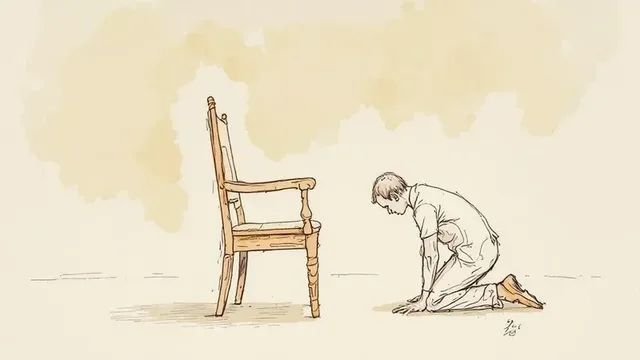
You're walking through your living room, half-distracted, thinking about whether you remembered to send that email. Your hip clips the corner of the coffee table. And before you can even register the pain, it slips out: "Sorry."
To the table.

The table, of course, has nothing to say. The table is wood. The table did not file a grievance. The table does not, as far as we know, possess feelings about being bumped by a hip. And yet there you are, apologizing to a piece of furniture like it's a coworker whose foot you just stepped on in the elevator.
It gets worse. You apologize to doorframes. To the vacuum cleaner when you knock it over. To your laptop when you slam it shut too hard. Once, possibly, to a traffic cone. You know it's irrational. You do it anyway. And the strangest part is you don't even decide to do it — the word just escapes, fully formed, like a sneeze with manners.
So what's going on in there?
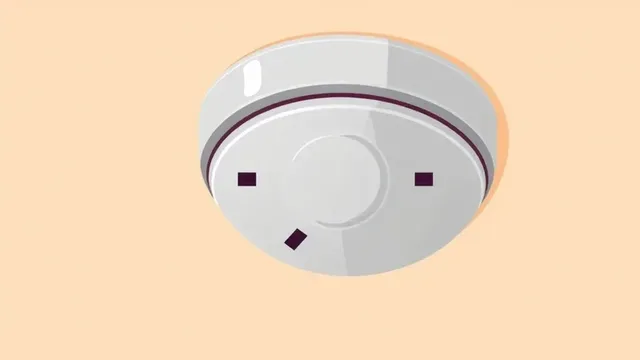
This is your brain showing off a feature called anthropomorphism — the deeply human habit of treating non-human things as if they have minds. And it's not a bug. It's basically the operating system.
Think of your social brain like a smoke detector. A smoke detector's job is to scream when there might be fire. It would rather go off at burnt toast a hundred times than miss one real fire. Your brain's social-detection system works the same way, except instead of fire, it's looking for minds. Anything that moves, has a face-like shape, or interacts with you gets flagged as potentially conscious. Better to over-apologize to a chair than to under-apologize to a person and get exiled from the tribe.
This system is so trigger-happy it activates for Roombas. For cars that won't start ("come on, buddy"). For stuffed animals we can't bring ourselves to throw away. The same circuitry that helps you read your friend's mood from a tiny eyebrow twitch is also, in its spare time, assigning emotional states to your toaster.
The "sorry" isn't really for the table. It's a reflex from a brain that treats anything in your space as a potential social partner — because for most of human history, getting that calculation wrong was how you ended up dead or alone.
So the next time you apologize to a doorframe, don't feel ridiculous. Feel flattered. Your brain is so finely tuned for kindness and connection that it can't help spilling some on the furniture. You're not malfunctioning. You're just running empathy software so powerful it has a leak.
There's something almost touching about the full list of things you've apologized to this year — the traffic cone, the Roomba, the IKEA corner that caught your hip and received a heartfelt sorry in return. None of them judged you. None of them filed a complaint. They absorbed your excess empathy and kept it moving.
Honestly, in a world that often feels short on apologies, accidentally giving one to a coffee table seems like a forgivable bug.
The table, for what it's worth, accepts.