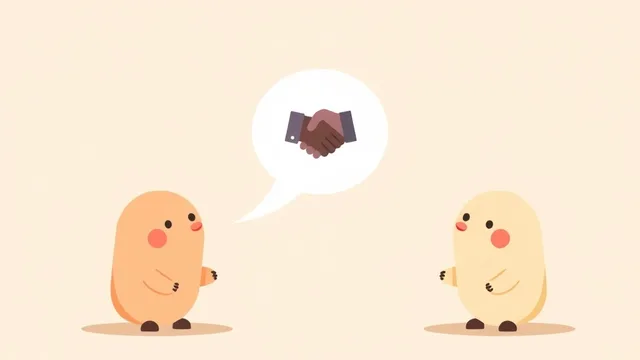
Twenty minutes into the phone call with your colleague from Glasgow, you hear yourself say the word "wee." Not ironically. Just casually, in a sentence, like it's been sitting in your vocabulary your whole life. You are from Ohio. You have never been to Scotland. You once thought haggis was a type of bird.
It gets worse. The vowels start sliding. The rhythm of your sentences tilts upward at the end. You catch yourself mid-call and panic — are they going to think you're mocking them? Is this the most insulting thing a person can do over a Zoom call? You force yourself back into your normal voice, which now sounds aggressive and weirdly nasal, like you're playing a cartoon American in a British sitcom.
You hang up. You stare at the wall. You wonder if you've always been this person — the kind who spends ten minutes with someone from Texas and starts saying "y'all" with full conviction, or three episodes into a British drama and suddenly "water" has four consonants. The answer, embarrassingly, is yes.
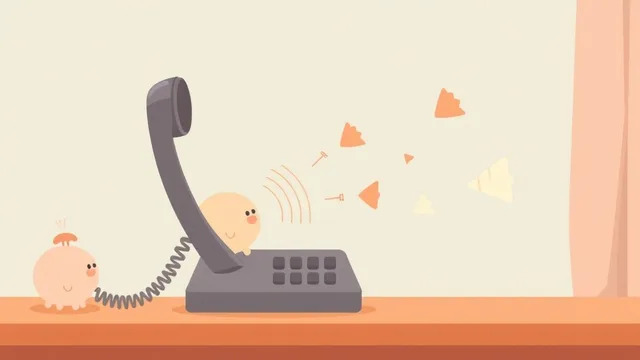
Here's the thing: your brain treats conversation like a dance. And in a dance, if your partner steps left, you step left too — otherwise you crash into each other. Linguists call this convergence, but you can think of it as social Wi-Fi. Your brain is constantly scanning the person in front of you, picking up their signal, and quietly adjusting its frequency to match. Vowels, posture, hand gestures, how often they say "like" — all of it gets absorbed, blended, and gently mirrored back.
Why? Because for about 300,000 years, sounding like the people around you was a survival feature. The ones who matched the tribe got fed. The ones who didn't got side-eyed at the fire pit. So your brain learned to bond first and ask questions later. It's not trying to mock anyone. It's trying to say "I'm one of you, please don't leave me alone in the wilderness with the bears." Your mouth just happens to be very enthusiastic about delivering that message.
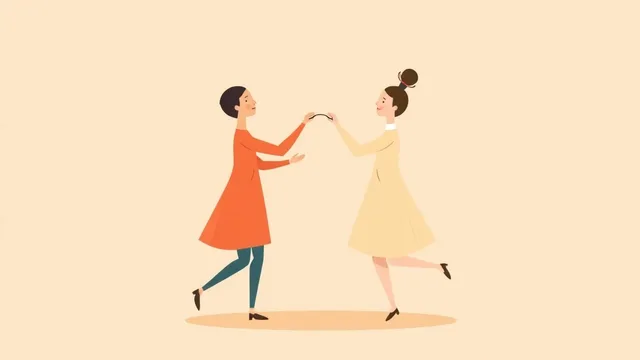
So no, you’re not a fraud, and you’re not doing a bad impression. Your brain is just running a 300,000-year-old subroutine that’s mildly embarrassing in a post-Zoom world. The Glasgow colleague almost certainly didn’t notice — and if they did, they probably felt subtly closer to you, even if neither of you could explain why. The “wee” was a peace offering. A tiny verbal handshake from a brain that desperately wants to belong, and has apparently been willing to adopt any accent to get there.
Next time it happens — the Texas drawl creeping in, the Scottish “wee” slipping out mid-sentence — you don’t need to correct course. You’re not doing a bad impression. You’re harmonizing.
The bears, for the record, are very far away.