
You stand up from the couch with absolute clarity. You're going to the kitchen to get the thing. You know exactly what the thing is. You can picture the thing. You take six steps, round the corner, and arrive in the kitchen as a freshly factory-reset human being.
What thing? Whose kitchen? Why are your hands open in that little expectant cup shape?
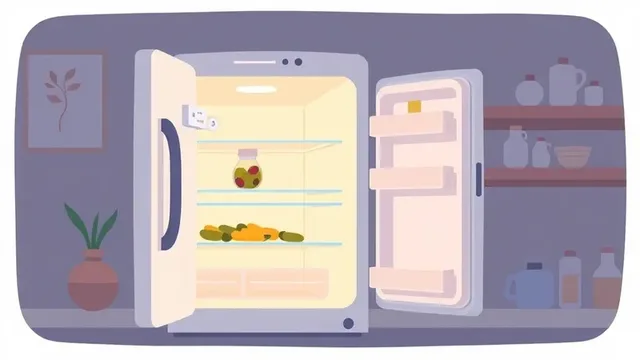
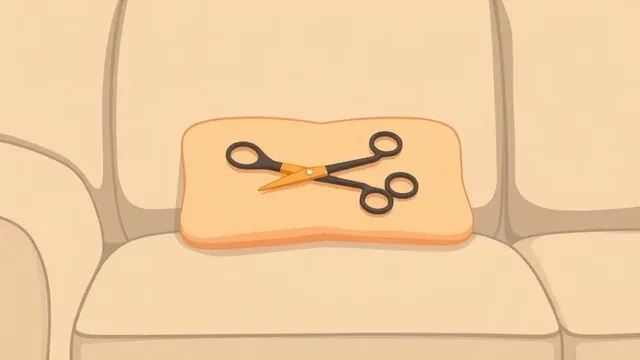
You stand there. You open the fridge for guidance, because that's what you do in moments of crisis. The fridge offers no answers, just a half-jar of olives and that hot sauce someone gave you in 2021. You close the fridge. You walk back to the couch. The second your butt touches the cushion — scissors. You needed scissors. You stand up again, stride toward the kitchen with renewed purpose, and arrive, once again, as a blank confused mammal who has perhaps wandered in to admire the tile.
This happens to you several times a week. You are not losing your mind. Probably.
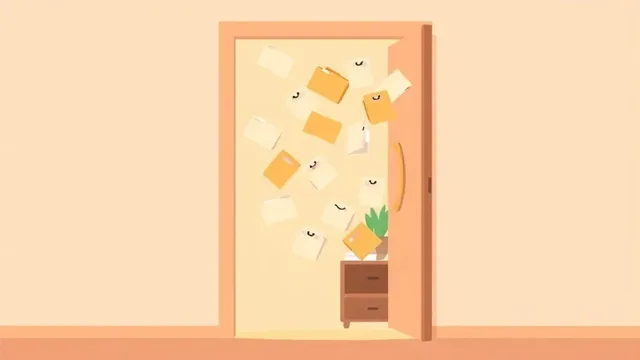
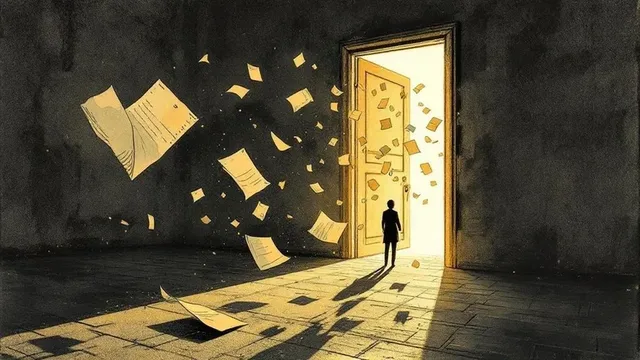
Here's what's going on. Your brain doesn't store memories in one big open-plan office. It stores them in rooms. Psychologists actually call this the "doorway effect" — the act of walking through a door tells your brain that one scene has ended and a new one is beginning. So it tidies up. It files "living room: wanted scissors" into a drawer marked LIVING ROOM and slams it shut, ready for whatever fresh nonsense the kitchen has in store.
Think of it like closing a tab. You didn't lose the information. Your brain just decided, very confidently and without consulting you, that you were done with it. The doorway is the little X in the corner. You walked through, you clicked it, and your beautifully detailed plan to retrieve scissors got minimized into the void.
The thing is, this isn't a bug. It's how your brain stays sane in a world full of stimuli — by chunking life into scenes instead of one endless unbroken movie.
So the next time you arrive in the kitchen as a blank confused mammal, don't panic. Your brain didn't fail. It filed. Walk back to the couch, sit down, and the word "scissors" will float up like a cork — because the living room is where the file lives. Your brain tagged the memory to the room, not to you. You're just the errand boy.
This, incidentally, is a trick that actually works: go back to where you were. The original location is the password. Step into the living room and the tab reopens. It feels stupid. It works every time.
The olives, for their part, know nothing. And you're not scatterbrained. You're just running a filing system so organized it forgot to cc you on the memo.